9 hr
Jinshanling Great Wall Small Group Hiking Experience
- Expert local guide
- Small group
- Skip-the-line access
- Free cancellation
Jinshanling Great Wall Tour — Ridge Walks, Watchtowers & Reserved Entry
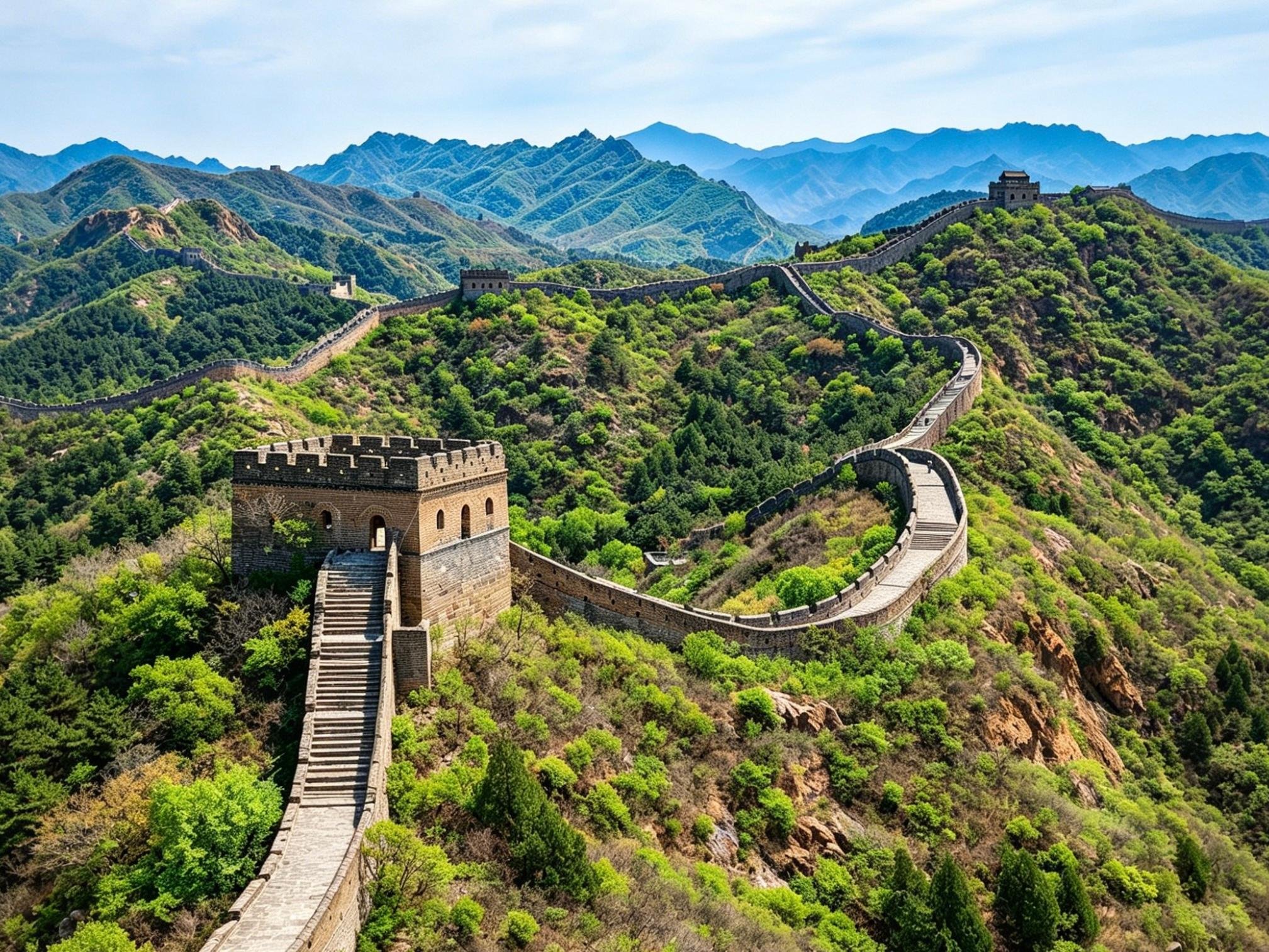
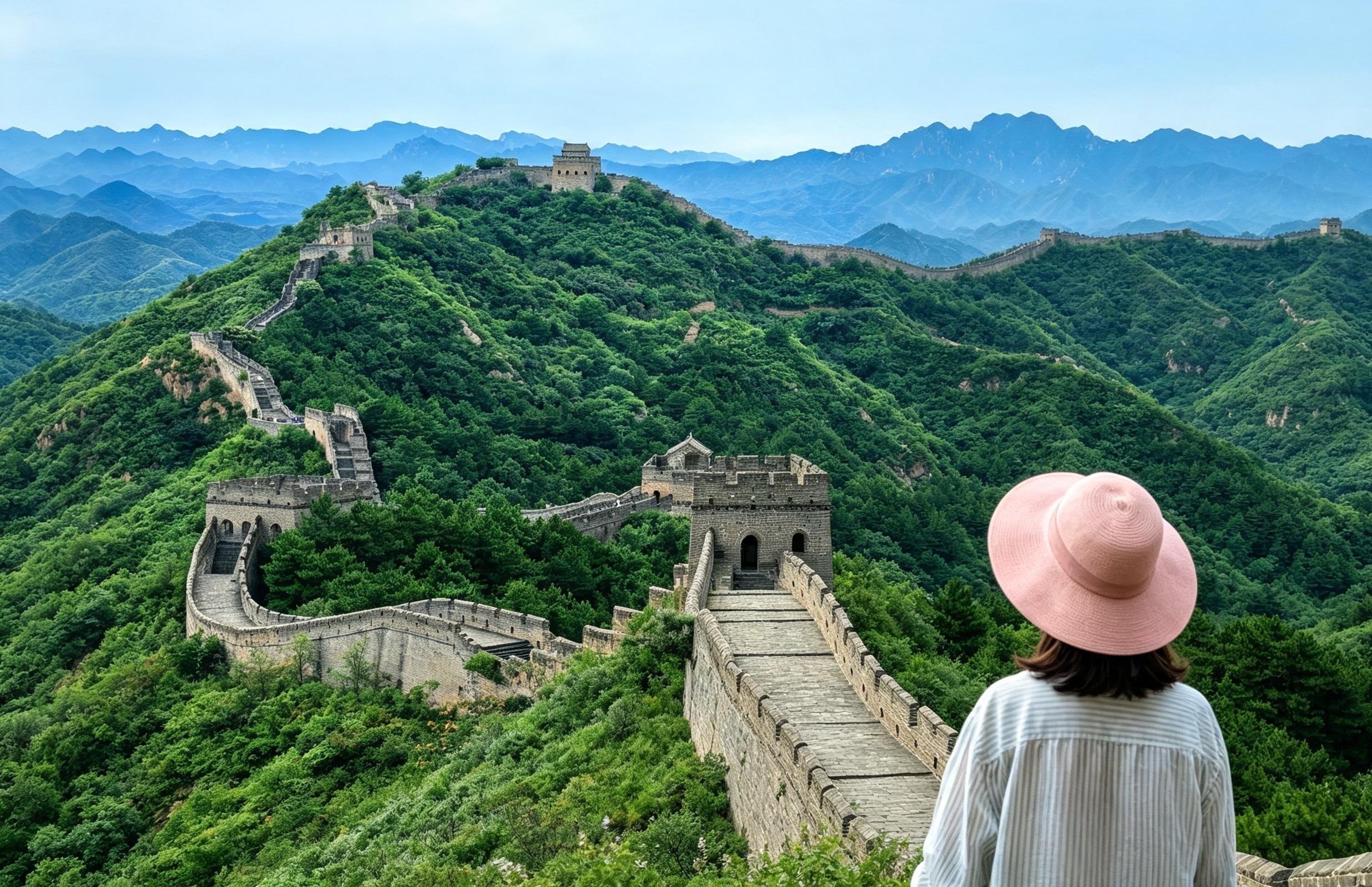
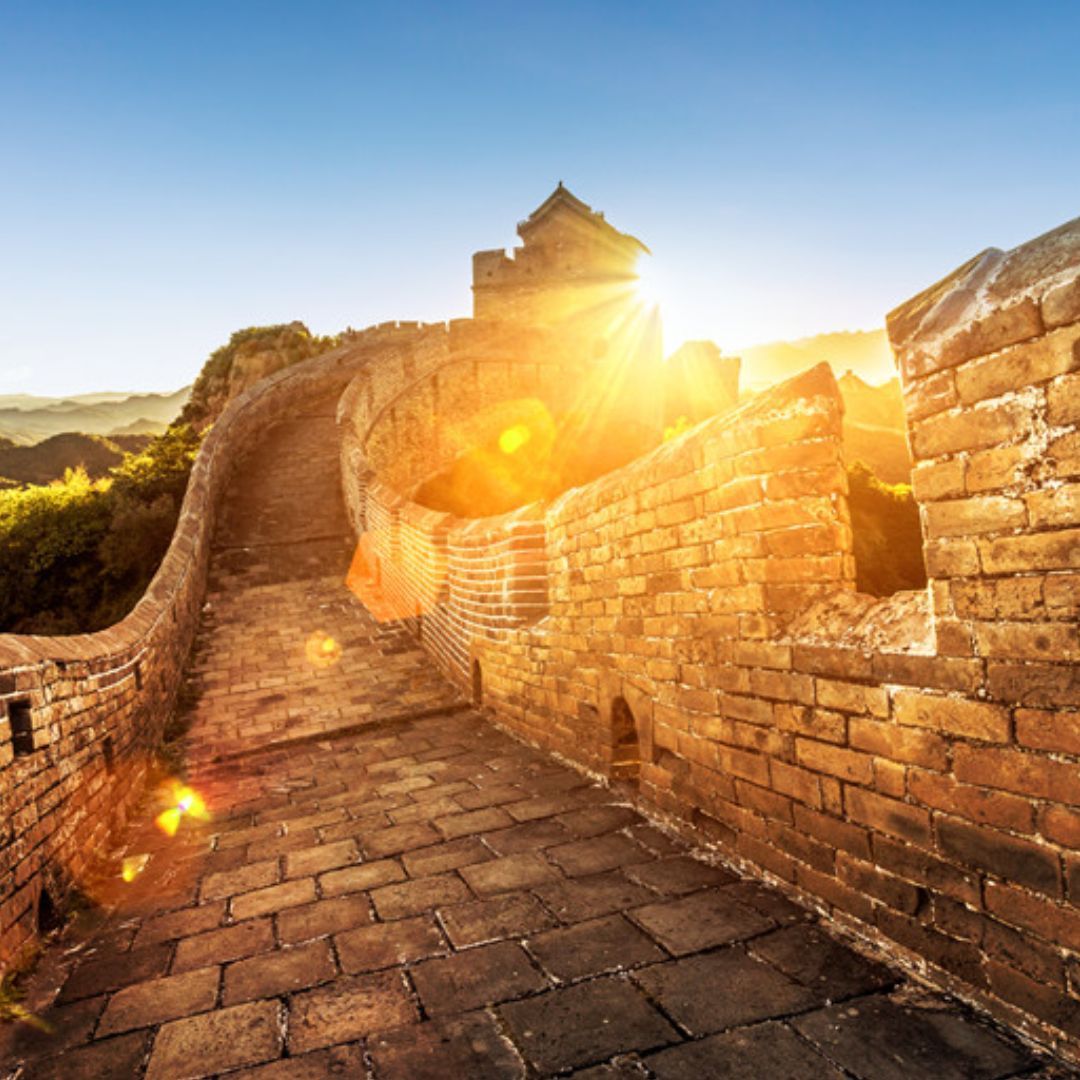
Stone climbs into morning mist, watchtowers strung along the ridge.
Compare fares, pick the fit — all bookings are mobile-voucher and eligible for free cancellation where shown.
9 hr
10 hr
10 hr
| Experience | Duration | Rating | Skip-the-line | Guide | Small group | Free cancel. | Price | |
|---|---|---|---|---|---|---|---|---|
|
Guided Experience
Most popular
Jinshanling Great Wall Small Group Hiking Experience
|
9 hr | ★ 4.9 | ✓ | ✓ | ✓ | ✓ | €51 | Book → |
|
Guided Experience
Jingshanling Great Wall Hiking Adventure with Multiple Options
|
10 hr | ★ 4.9 | ✓ | ✓ | ✓ | ✓ | €52 | Book → |
|
Guided Experience
Jinshanling Great Wall Day Trip from Beijing
|
10 hr | ★ 4.9 | ✓ | ✓ | ✓ | ✓ | €40 | Book → |
Worth it for hikers, not casual sightseers
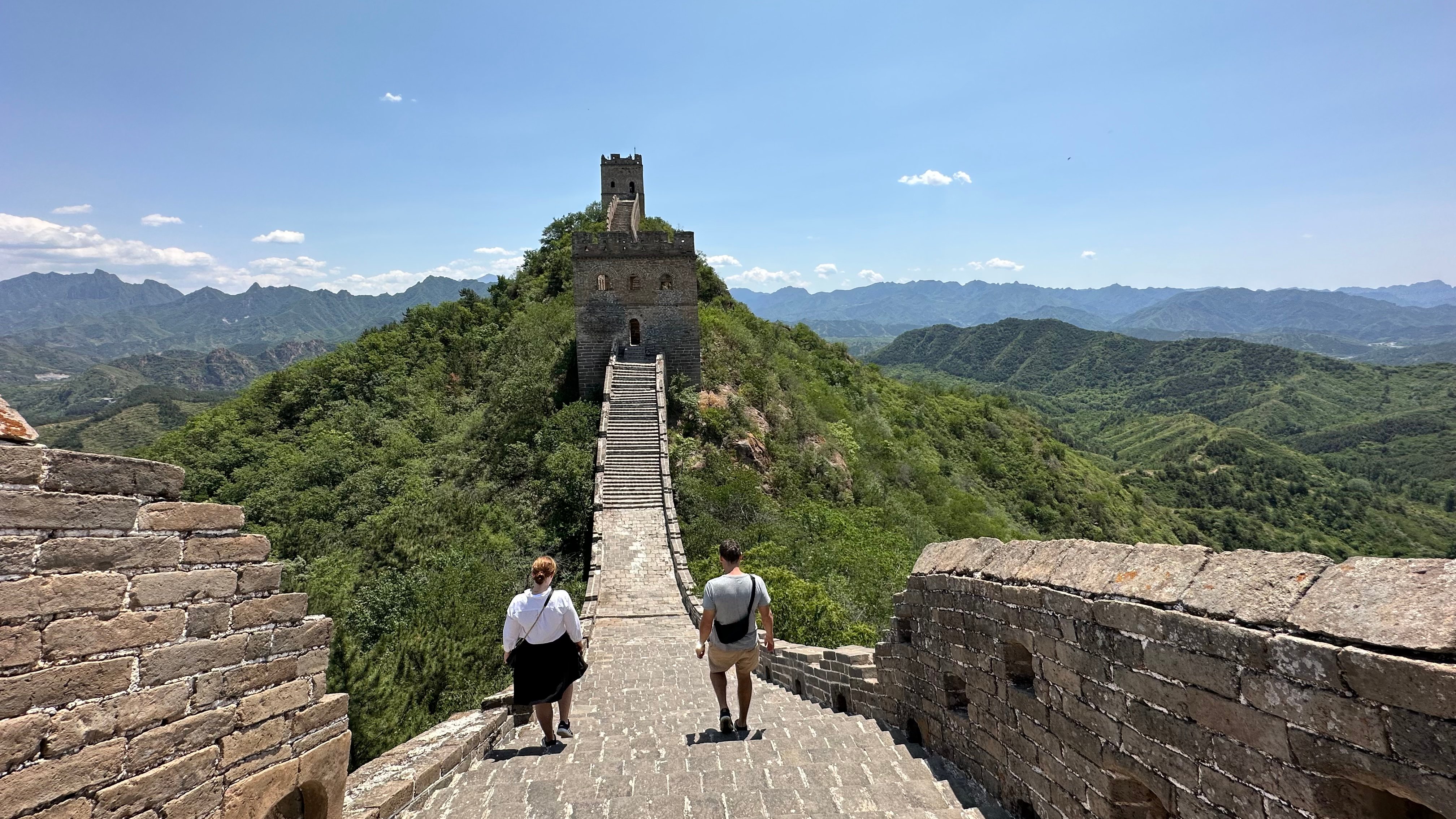
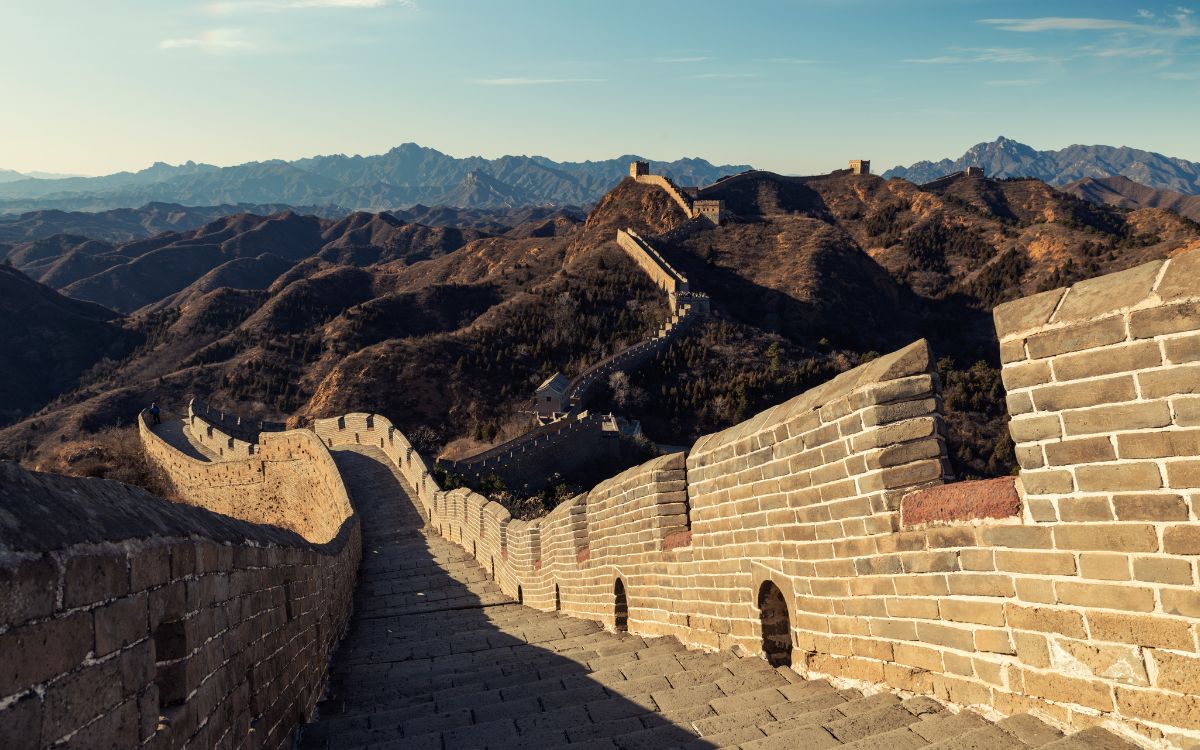
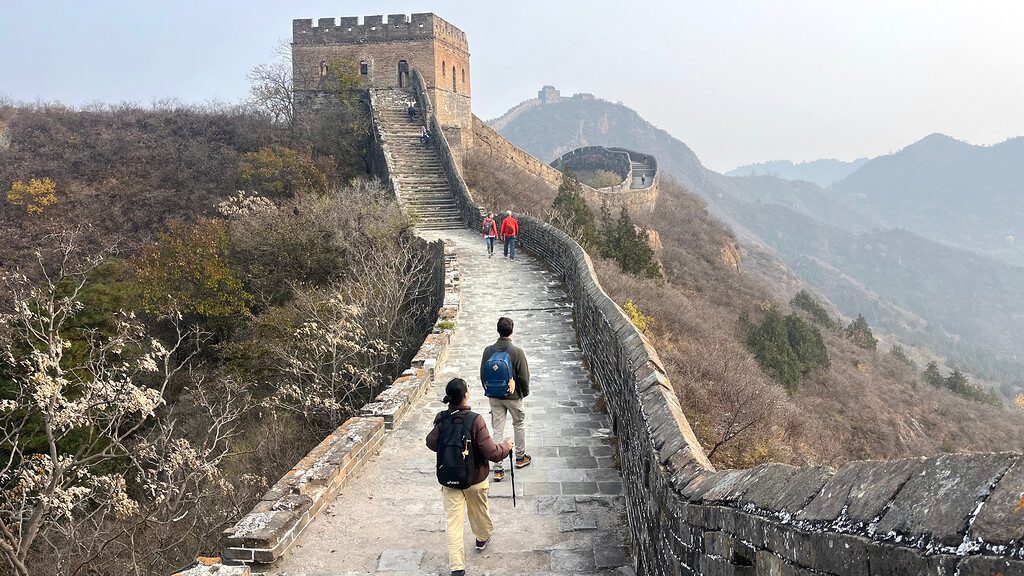
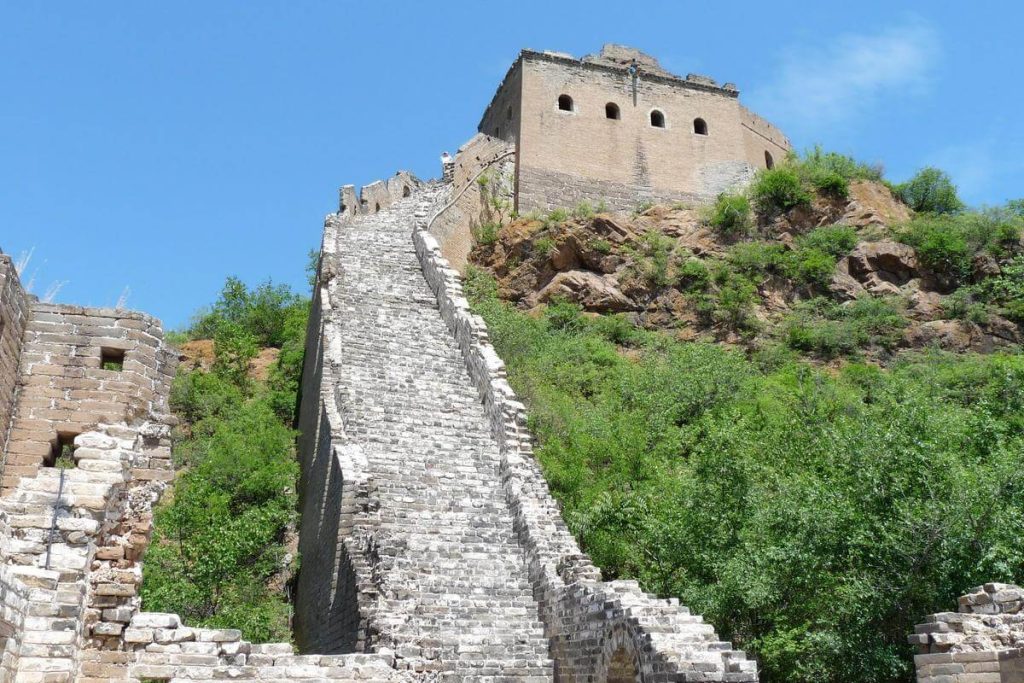
A jinshanling great wall tour asks more of you than Badaling does, and returns more. The 65 CNY entrance fee buys access to roughly ten kilometres of Ming-dynasty wall where restored ramparts give way to raw, unrepaired brickwork — watchtowers with collapsing parapets, obstacle walls, and barrier walls that exist almost nowhere else along the 金山岭长城. Crowds thin to near nothing past the first few towers, so the ridge-line views over the Hebei hills are genuinely yours. That pristine quality is the whole trade: reaching Luanping County takes real effort, and the unrestored stretches demand steady legs on loose stone and steep, uneven steps. For anyone who wants photographs without a hundred strangers in frame, or who came to China specifically for the Wall, the Jinshanling Great Wall tour pays back the effort several times over. For families with small children or travellers on a tight schedule, closer Beijing landmarks make more sense.
Bottom line: If you want the Wall as it actually survives rather than as it has been rebuilt, jinshanling great wall tour tickets are the best 65 CNY you will spend near Beijing — book jinshanling great wall tour tours only if your legs are up to it, and skip the standard jinshanling great wall tour tour if you need an easy morning.
Mutianyu is better for families and those seeking efficient infrastructure, while a jinshanling great wall tour provides a rugged, authentic experience for serious hikers and photography enthusiasts.
|
Top pick Jinshanling |
Mutianyu | |
|---|---|---|
| Restoration level | Partially restored and original | Fully restored and commercialized |
| Crowd density | Low density of visitors | High density of visitors |
| Photography opportunities | Unobstructed watchtowers and ridges | Iconic, well-maintained wall sections |
| Accessibility | Limited path infrastructure | Cable car and chairlift access |
| Hiking difficulty | Strenuous, uneven terrain | Moderate, paved paths and steps |
| See tickets & prices |
Verdict: Choose Mutianyu for convenient access to watchtowers, or book jinshanling great wall tour tickets if you prefer exploring remote, wilder sections of this ancient architectural heritage.
Hand-picked experiences loved by thousands of travelers
9-10 hours
Free Cancellation
Journey to one of the Wall's most scenic and peaceful sections with a personal guide and driver
9 to 10 hours
Free Cancellation
Private round-trip transfer to one of the Great Wall's most photogenic sections with flexible add-on options
9 hours
Free Cancellation
Watch the sun dip behind ancient watchtowers on a scenic evening walk along one of China's best-preserved wall sections
8 - 13 hours
Free Cancellation
Explore a less-touristed section of the Great Wall with transport, entrance, and free time at Gubei
9 hours
Free Cancellation
Explore two stunning Wall sections and a lit-up water town in one incredible day from Beijing
7 hours
Free Cancellation
Watch the sun set over a less-visited section of the Great Wall with a private guide and driver
2 days
Free Cancellation
Experience two contrasting sections of the Great Wall with an authentic village stay between them
8 hours
Free Cancellation
Discover an authentic, less-touristy section of the Great Wall with comfortable transport in a 7-seat van
All the details about your upcoming adventure in one place
A jinshanling great wall tour takes you 130 kilometers northeast of Beijing to a Ming dynasty stretch where restored ramparts give way to unrestored brick and loose stone, with more than 60 watchtowers strung along the Yanshan ridgeline. Compared with Badaling or Mutianyu, foot traffic here stays light, so the barrier walls, arrow slits and obstacle walls read clearly against the hills. Most jinshanling great wall tour tours include the cable car option at the Zhuanduokou entrance, letting you spend your energy on the ridge rather than the initial climb.
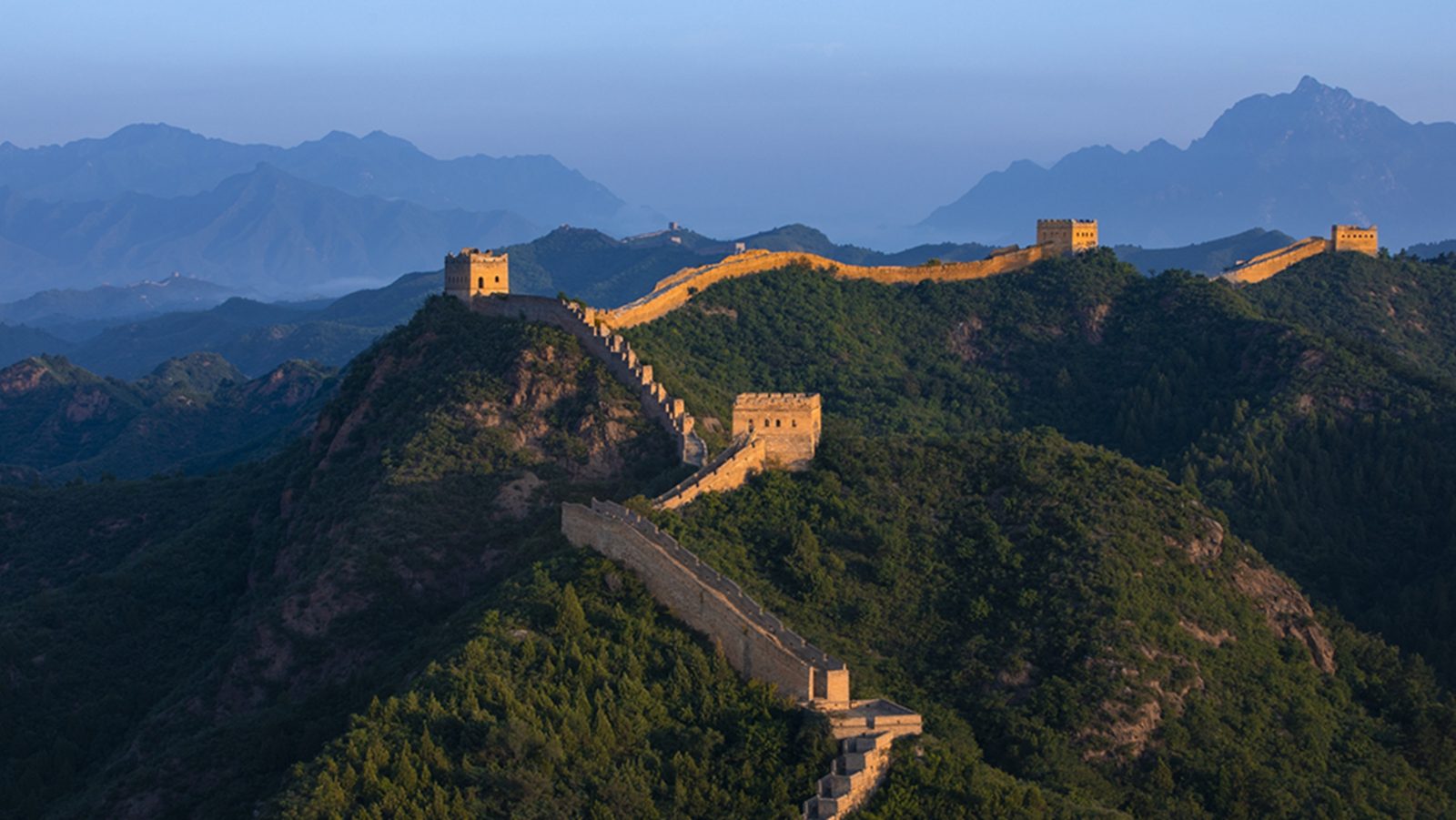
Ten kilometres of Ming rampart carry more than sixty watchtowers here — a density unmatched on any restored stretch of the Great Wall of China. That figure alone explains why photographers and wall specialists treat this ridge above Hualougou Village as the reference section.
General Qi Jiguang rebuilt the line in the 1570s, thickening earlier earthworks with kiln-fired brick hauled up the slope. The result was less a barrier than a signalling machine. Towers sit within shouting distance, each a self-contained garrison post with arrow slits, sleeping chambers and vaulted brick ceilings. A jinshanling great wall tour follows that logic on foot: the route is the argument.
What distinguishes the architecture is variety. Some towers are square, some round; some carry two storeys, some a single barrel vault. Battlement walls run in obstacle courses called zhangqiang, short partition barriers that let defenders fight tower to tower even after the parapet fell. Decorative brick lintels survive on several doorways, carved with lotus and cloud motifs — masonry as ornament, rare on a working frontier. Between the Houchuankou and Shalingkou passes the wall climbs Wuhua Shan and drops again, tracing the granite ridgeline rather than levelling it.
Today the site sits inside the Jinshanling Great Wall tourist area, a managed conservation zone in Luanping County, Chengde City, Hebei Province, roughly 130 kilometres northeast of the capital. UNESCO listing covers the whole system; local stewardship covers this piece. Restoration has been deliberately partial. West of the entrance the brickwork is consolidated and walkable; east toward Simatai the wall runs wild, collapsed in places, colonised by wild apricot and thorn. Visitors arriving on a Jinshanling Great Wall tour from Beijing find both conditions within a single afternoon — an unusual chance to read a monument in two states at once.
The Jinshanling Great Wall tourist center at the base handles entry, and 65 CNY per person covers admission at the peak-season rate. Access from the capital is straightforward; the Jinshanling Great Wall tourist bus service links the site to the Beijing expressway network, and drivers reach the gate via the Chengde road.
It matters because so little of the Ming wall survives with its garrison logic legible. Elsewhere the towers are gone or rebuilt beyond recognition. Here the sequence holds. A well-planned jinshanling great wall tour tour reads that sequence in order, and a jinshanling great wall tour tours itinerary can extend the walk east into ruin, where the mortar has failed and the wall becomes archaeology again.

The towers sit within shouting distance — this was less a barrier than a signalling machine.
Entrance tickets typically require real-name booking. Please check specific booking platform terms for the jinshanling great wall tour tickets refund windows.
Jinshanling was not built for scenery. It was built because the Ming court feared the north. In 1567 the general Qi Jiguang was transferred from the Zhejiang coast, where he had fought Japanese pirates, to command the Ji Garrison guarding the approaches to Beijing. Working alongside Tan Lun, he began rebuilding the frontier between Shanhaiguan and the Juyong Pass. Construction at Jinshanling proceeded through the Longqing and Wanli reigns, roughly 1570 to 1581. Any serious jinshanling great wall tour begins with that chain of command: a coastal tactician applying naval discipline to a mountain ridge in Hebei. The architecture records the argument. Qi Jiguang wanted troops housed forward, not marched up from valley barracks, so Jinshanling carries an unusual density of watchtowers — more than sixty over roughly ten kilometres, some spaced barely a hundred metres apart. Their designs differ deliberately. Barrier walls, or zhangqiang, run crosswise along the rampart so defenders could fight backwards if a stretch fell. Towers appear in round, square, oval and flat-roofed forms, with brick vaulting, arrow slits and interior stairs. The Wangjing Tower, the highest point, was named for the claim that Beijing could be seen from it on clear days. Kucaolou and Houchuankou preserve carved brick lintels and figured tiles rare elsewhere on the frontier. The wall failed anyway. In 1644 Ming forces at Shanhaiguan admitted Qing troops, and the northern defences became internal, then irrelevant. Villagers quarried brick for houses; a Chinese Great Wall tour of this ridge still passes stretches stripped to rubble core. Fighting returned in 1933, when Japanese and Chinese units contested Gubeikou nearby. Restoration began in 1986, and UNESCO inscribed the Great Wall in 1987. Roughly a third of Jinshanling remains unrestored, which is why jinshanling great wall tours attract people who want mortar seams rather than handrails. The site sits at Hualougou Village, Bakeshiying Town, Luanping County, Chengde City, Hebei Province. Visitors booking a jinshanling great wall tour tour or arranging jinshanling great wall tour tickets through the official site at http://www.jslcc.com/ should treat the wall as a working document of Ming military thinking, revised in brick across two decades.
The Ming dynasty is founded and begins fortifying its northern frontier against Mongol incursions.
Qi Jiguang is reassigned from the southeast coast to command the Ji Garrison defending the capital region.
The Jinshanling section is rebuilt in brick and stone with more than sixty watchtowers and crosswise barrier walls.
Qing forces pass through the Shanhaiguan gate, ending the wall's role as a defended border.
Chinese and Japanese troops fight at nearby Gubeikou during the Defence of the Great Wall.
Restoration work begins on the eastern stretches while much of the western wall is left in its ruined state.
UNESCO inscribes the Great Wall of China on the World Heritage List.
Roughly a third of the Jinshanling ridge remains unrestored and open to walkers.
Position your tripod on the upper level of this prominent structure to capture the sweeping ridges of the Ming Dynasty masonry. This vantage point provides an expansive view of the winding dragon-like path across the mountain range.
Everything you need to know for your journey
Spring and autumn are best, though early summer mornings are excellent for photography during your jinshanling great wall tour.
Yes, booking jinshanling great wall tour tickets in advance is recommended to ensure a smooth entry and avoid peak queues.
The jinshanling great wall tour is family-friendly, especially with cable car access to the lower watchtowers.
Comfortable hiking gear is recommended; there is no formal dress code for your jinshanling great wall tour.
Food options are limited on the wall itself; please bring snacks or visit the village restaurants after your jinshanling great wall tour.
Join thousands of happy travelers who have discovered this incredible experience
Book Your Experience Now